HOA Approval vs. County Permit: What You Actually Need in Miami-Dade
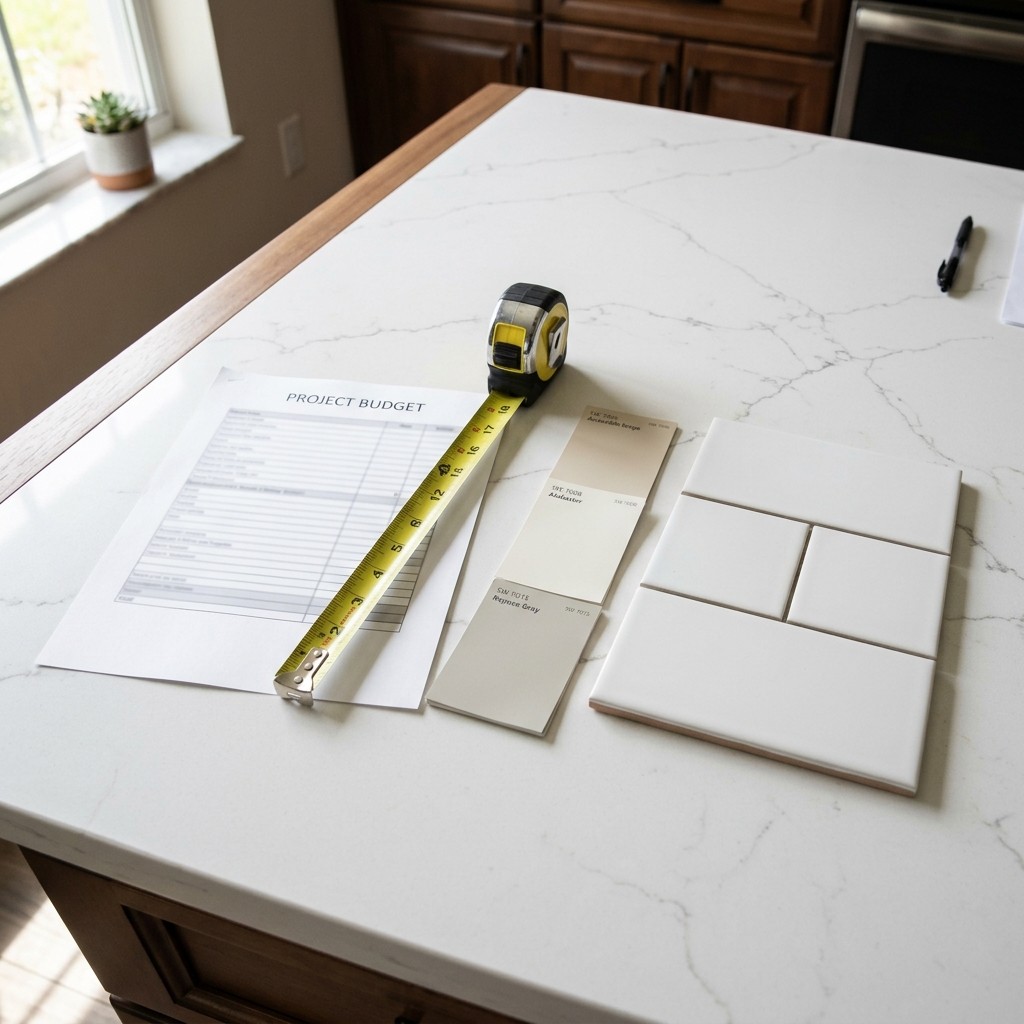
Miami homeowners get tripped up by this all the time. "My remodeling team pulled a permit, so I'm good, right?" Not necessarily. County permits and HOA approval are completely separate processes with different rules, different authorities, and different consequences for skipping them.
You can have a perfect county permit and still get fined by your HOA. You can have full HOA approval and still get red-tagged by Miami-Dade Building. Most exterior renovations need both. Knowing the difference saves time, money, and stress.
The Quick Difference
A Miami-Dade county permit is government approval that the planned work meets the building code, structural requirements, electrical code, plumbing code, and energy code. It is enforced by the Miami-Dade Building Department or your municipality (Doral, Coral Gables, Cutler Bay, Pinecrest, etc. each have their own building departments). Inspectors come out at predefined stages of the project to verify the work matches the code.
HOA approval is private contract approval from your homeowner's association that the planned exterior changes match the community's architectural standards. It is enforced by your HOA board through the architectural review committee (ARC). They have no inspection authority but can issue fines and require restoration of unauthorized work.
They serve different purposes. The county cares about safety and code. The HOA cares about how your house looks from the street.
What Needs a County Permit
Miami-Dade Building Department generally requires a permit for any work that affects the structure, electrical service, plumbing system, gas service, or mechanical systems of your home. That includes:
- Structural changes: moving walls, adding rooms, changing windows or door openings, modifying roof framing
- Electrical work: adding circuits, replacing the panel, installing new outlets where there weren't any, running new wiring
- Plumbing changes: moving fixtures, adding fixtures, changing the routing of supply or drain lines
- Gas line work: any modification of gas piping, even just changing a stove location
- Mechanical: new HVAC installations, ductwork additions, water heater replacement
- Roofing: complete reroof projects (resealing/repairs may not need permits depending on scope)
- Pools and decks: any pool or deck construction
- Windows and doors: replacements that change the rough opening size, or hurricane impact replacements that need HVHZ approval
- Driveway work: new concrete driveways or expansions
Permit costs in Miami-Dade range from about $100 for a minor electrical permit to thousands for a full kitchen remodel. The process typically takes 1 to 3 weeks for plan review on standard residential work, longer for complex projects.
What Doesn't Need a County Permit
Some work is exempt from permits in Miami-Dade. The most common exempt items:
- Cabinet replacement when you don't move plumbing or electrical
- Countertop replacement (if not moving the sink)
- Interior painting
- Flooring replacement
- Trim and molding work
- Wallpaper, hanging artwork, decorative finishes
- Minor drywall repairs
- Furniture and built-in non-structural shelving
- Cabinet refinishing in place
The line gets gray when permitted work and exempt work mix. A "minor" kitchen remodel that moves the sink even six inches needs a plumbing permit. A bathroom refresh that swaps the tub for a walk-in shower needs permits for the plumbing changes even though tile work itself doesn't require permits.
When in doubt, call the Miami-Dade Building Department (or your municipality) and describe the work. They will tell you. Lying to your remodeling team about whether work needs a permit, or hiring someone willing to skip permits, ends badly. Unpermitted work surfaces during home sales, insurance claims, and any future permitted work on the same area.
What Needs HOA Approval
HOA approval is based entirely on your specific community's declaration of covenants. Each HOA's list is different, but the typical items requiring ARC review:
- Exterior paint color changes (even repainting to the same color sometimes)
- Roof material or color changes
- Window replacements, including hurricane impact upgrades
- Door replacements (front door, garage door, side doors)
- Fence installation, replacement, or modification
- Driveway replacement, expansion, or color change
- Landscaping significant changes, tree removal, or replacement
- Solar panels (HOA must allow but can specify placement)
- Outdoor structures: pergolas, gazebos, sheds, awnings, screen enclosures
- Mailbox changes
- Hurricane protection: shutters, impact film application, impact windows
The cleanest rule: if it changes how the front, sides, or roof of your house looks from the street or from an adjacent property, your HOA almost certainly wants to review it.
For more detail on the HOA approval process specifically, see our complete Miami HOA renovation approval guide.
What Doesn't Need HOA Approval
Interior work is almost never subject to HOA approval. Some communities have additional rules around noise, work crew hours, or use of common areas, but the actual work inside your home is your business. Examples of typical no-approval-needed projects:
- Kitchen remodels that stay inside the home
- Bathroom remodels that don't change window or door openings
- Cabinet refinishing
- Interior painting
- Flooring replacement
- Drywall repairs
- HVAC equipment replacement (if hidden from public view)
- Water heater replacement
- Most plumbing fixture upgrades
The exception: if your interior project affects something visible from outside (a window, a door, a wall vent, the dryer exhaust, an AC compressor location), the visible part may need HOA approval even if the interior work doesn't.
When You Need Both
A lot of common Miami-Dade renovations need both county permits AND HOA approval. The biggest categories:
Hurricane impact window upgrades. Permit because windows are part of the structural envelope. HOA because they are visible from the street.
Roof replacements. Permit for the structural and code compliance. HOA for color and material approval.
Adding a screen enclosure or lanai cover. Permit for the structural attachment to your house. HOA because it changes the exterior silhouette.
Painting your exterior. No permit needed for paint. HOA approval needed for the color choice.
Replacing your front door. Permit if you change the rough opening or are upgrading to a hurricane-rated door in HVHZ. HOA approval for style and color.
Installing solar panels. Permit for the electrical tie-in and structural roof attachment. HOA approval for placement (though they can't deny the basic install).
Pool installation. Permits for excavation, electrical, plumbing, and barrier requirements. HOA approval almost always required.
If your project falls in this category, treat the two processes as parallel, not sequential. Start the HOA application the same week you submit for the permit. They can run side by side, and most communities don't care that you applied for a permit first.
The Mistakes That Cost Money
Three patterns we see repeatedly in Miami-Dade:
Mistake 1: Assuming a permit means you're done. Permits prove the work meets code. They don't override your HOA. We've seen homeowners spend $30,000 on permitted renovations and then get fined and ordered to repaint because the HOA didn't approve the color. Always check both.
Mistake 2: Assuming HOA approval means you can skip the permit. ARC approval doesn't change Florida or Miami-Dade building code requirements. A homeowner who got HOA approval for a screen enclosure but skipped the structural permit got red-tagged during a follow-up inspection unrelated to the enclosure, and had to demolish and rebuild after pulling proper permits.
Mistake 3: Skipping both because "it's just a small project." Small unpermitted work shows up during home sales when buyers' inspectors find it. Title issues, insurance issues, and forced retroactive permitting are all consequences. The retroactive permit process costs 3 to 5 times what the original permit would have cost.
Timeline Reality Check
Here is what a typical exterior project timeline looks like in Miami-Dade if you do both processes properly:
Week 0: Get bids, choose your remodeling team, finalize design
Weeks 1 to 2: Submit ARC application to HOA. Submit permit application to building department (or your team does it).
Weeks 2 to 4: Plan review at building department. ARC review at HOA monthly meeting.
Week 4: Permit approval. ARC approval.
Weeks 4 to 8: Project execution.
Week 8 onward: Building department final inspection. HOA closeout (verification that work matches approval).
You can compress this with a smaller scope or a remodeling team that has standing relationships and pre-vetted plan packets. But most renovations that need both run on this timeline. Don't promise yourself you'll start "next week" if you haven't applied for either yet.
How We Handle Both Processes
When you hire us for any project that touches the exterior of your home, we prepare both the permit application and the HOA application. We have the experience and the document templates to make this efficient. For each project we typically handle:
- Permit application preparation with full plan set if required
- Engineer-stamped drawings when needed (we coordinate with our engineer partners)
- ARC application packet with all the supporting documents
- Submission to both Miami-Dade Building (or your municipality) and your HOA
- Follow-up communication until both come back with decisions
- Coordination of work schedule to align with permit inspection stages
The fee for this is built into our project pricing. We don't charge extra for paperwork. If the project is interior-only and doesn't need either approval, we tell you that up front so you're not paying for paperwork we didn't actually need to do.
Frequently Asked Questions
Can I pull my own permits in Miami-Dade?
Yes, if you are an owner-builder doing work on your own residence. Florida law allows owner-builders to apply for permits on their primary residence under specific conditions. The catch is that you take on the liability and the obligation to comply with all building code requirements personally. For most homeowners, having an insured remodeling team pull the permits is cleaner and limits your personal exposure if there are code issues later.
What happens if my HOA approves something but the county denies the permit?
The county denial wins. HOA approval is a private agreement that the work fits community standards. The permit is government certification that the work meets code. If the building department denies the permit because the work doesn't meet code, you cannot proceed regardless of HOA approval. You will need to revise the project to meet code, then potentially get re-approval from the HOA if the revision changes what was originally approved.
What if I already did the work without a permit?
You can apply for a retroactive permit through Miami-Dade or your municipality. The process involves inspections of the existing work, documentation of who did it and when, and often paying a doubled or tripled permit fee as a penalty. If the work doesn't meet code, you will be ordered to bring it up to code or remove it. Retroactive permitting is always worse than getting the permit before starting. If you're in this situation, address it before selling or before doing further work on the same area.
How long do permits stay valid in Miami-Dade?
Standard residential permits in Miami-Dade are valid for 6 months from issuance and require progress within 180 days. If you don't start work within that time, the permit expires and you have to apply again. If you start but go quiet for more than 180 days, the permit can also be voided. Most building departments will grant extensions if you ask before the permit expires, but extensions are not automatic.
My HOA wants to inspect the work. Do they have that right?
Your declaration of covenants determines this. Most Miami-Dade HOAs reserve the right to inspect work to verify it matches the approved application. They typically cannot enter your home without permission, but they can view the exterior from the street or adjacent common areas. They can also require a closeout submission with photos of the completed work. If your HOA shows up demanding interior access without specific authorization in your governing documents, you can decline.
Ready to Start a Project?
If you have a renovation in mind and want to know upfront whether it needs permits, HOA approval, or both, call us at (786) 363-7039 or send a description of what you want to do. We give straight answers about what the process actually involves, no high-pressure sales. Free in-person assessments across Kendall, Doral, The Hammocks, West Kendall, The Crossings, Country Walk, Coral Gables, Palmetto Bay, Pinecrest, and the rest of Miami-Dade County.
Ready to start your Miami remodel?
Free in-home estimate. We will give you clear next steps.