Home Remodeling Financing Options in Miami-Dade
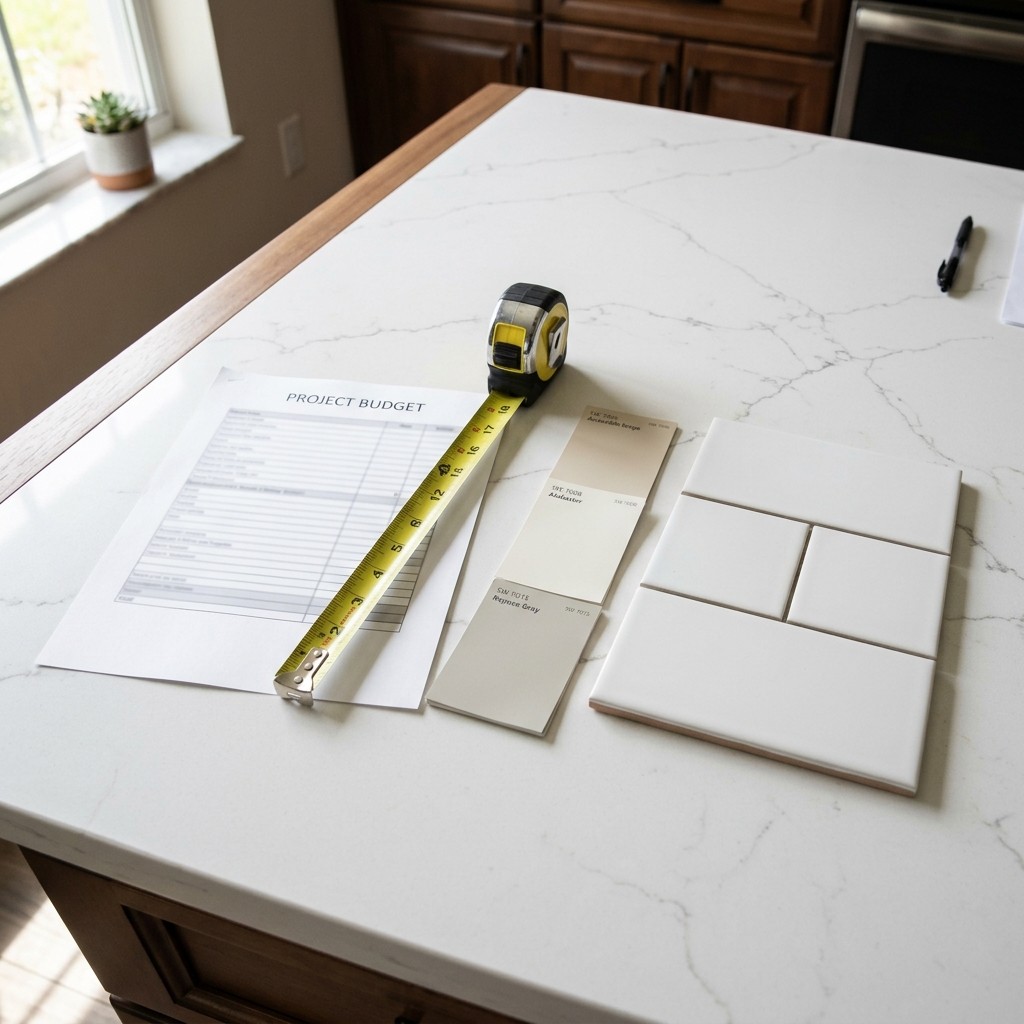
How Miami Homeowners Pay for Remodeling Projects
Not every homeowner has $15,000 or $30,000 sitting in a savings account. That is normal. Most of the families we work with in Miami-Dade use some form of financing to fund their remodeling projects.
We are not financial advisors. We are a remodeling team. But we have seen how our customers pay for projects over the years, and we want to share what we know so you can make an informed decision before reaching out for an estimate.
Here are the most common ways Miami homeowners finance their kitchen remodels, bathroom renovations, and other home improvement projects in 2026.
HELOC (Home Equity Line of Credit)
This is the most popular financing option we see among our customers. A HELOC lets you borrow against the equity you have built in your home.
How it works: Your lender gives you a credit line based on your home equity (the difference between what your home is worth and what you owe). You draw from that line as needed and only pay interest on what you use.
Typical terms in 2026:
- Variable interest rates, currently in the 7% to 9% range for well-qualified borrowers
- Draw period of 5 to 10 years
- Repayment period of 10 to 20 years after the draw period ends
- Most lenders allow you to borrow up to 80% to 85% of your equity
Why homeowners like it: You only borrow what you need. If your kitchen remodel comes in at $22,000 instead of the $25,000 you budgeted, you only pay interest on the $22,000. The interest may also be tax-deductible if the funds are used for home improvements (check with your tax professional).
What to watch out for: Variable rates mean your payment can go up. Your home is the collateral, so if you cannot make payments, you risk the property. Also, HELOC applications take 2 to 6 weeks to process, so plan ahead.
Best for: Projects over $15,000. Kitchen remodels, full bathroom renovations, or multiple-room projects.
Home Equity Loan
Similar to a HELOC but with a key difference: you get the full amount upfront as a lump sum, and the interest rate is fixed.
How it works: You borrow a set amount against your home equity. You receive the full amount at closing and repay it in fixed monthly installments over a set term.
Typical terms in 2026:
- Fixed interest rates, currently in the 7.5% to 10% range
- Repayment terms of 5 to 30 years
- Closing costs of 2% to 5% of the loan amount
Why homeowners like it: Predictable monthly payments. You know exactly what you owe every month for the life of the loan. No surprises.
What to watch out for: Closing costs can add up. On a $25,000 loan, you might pay $500 to $1,250 in closing costs. And like a HELOC, your home is collateral.
Best for: Homeowners who want a fixed payment and know their exact project budget upfront.
Personal Loans
No home equity? No problem. A personal loan is unsecured, meaning your home is not used as collateral.
How it works: You apply through a bank, credit union, or online lender. If approved, you receive a lump sum and repay it in fixed monthly installments.
Typical terms in 2026:
- Fixed interest rates from 8% to 15% depending on your credit score
- Loan amounts from $5,000 to $50,000
- Repayment terms of 2 to 7 years
- No closing costs in most cases (some lenders charge origination fees of 1% to 6%)
Why homeowners like it: Fast approval (sometimes same-day). No equity required. Your home is not at risk if you hit a rough patch financially. Good for homeowners who have not built up much equity yet.
What to watch out for: Higher interest rates than HELOCs or home equity loans. Shorter repayment periods mean higher monthly payments. A $20,000 personal loan at 10% over 5 years is about $425 per month.
Best for: Projects under $20,000. Bathroom remodels, cabinet painting, tile work, or painting projects.
Credit Cards
For small projects, some homeowners use a credit card. This can work, but only if you have a plan to pay it off.
When it makes sense:
- You have a 0% introductory APR card with 12 to 18 months of no interest
- The project is under $5,000 (cabinet painting, a small bathroom refresh, interior painting)
- You can pay it off within the promotional period
When it does NOT make sense:
- Carrying a balance at 20% to 28% APR on a $15,000 kitchen remodel. That is expensive debt.
- Using multiple cards to piece together a larger project
Best for: Small projects under $5,000, particularly if you have a 0% APR promotional period.
FHA 203(k) Loan
This is a lesser-known option that can work well for homeowners who are buying a fixer-upper or refinancing and want to include renovation costs in their mortgage.
How it works: The FHA 203(k) rolls the cost of home improvements into your mortgage. You get one loan that covers both the purchase (or refinance) of your home and the renovation costs.
Two types:
- Standard 203(k): For projects over $5,000. Requires a HUD consultant. Covers major renovations including structural work.
- Limited 203(k): For projects under $35,000. Less paperwork. Covers cosmetic and non-structural improvements like kitchens, bathrooms, painting, and flooring.
Why homeowners like it: Low down payment (3.5%). You finance the renovation at your mortgage rate instead of a higher personal loan rate. Good for first-time homebuyers who find a home that needs work.
What to watch out for: More paperwork and a longer process than other options. Not every lender offers 203(k) loans. The renovation must be completed within 6 months (Limited) or 12 months (Standard). You will also need to work with approved professionals.
Best for: Homebuyers purchasing a home that needs renovation, or homeowners refinancing who want to roll in improvement costs.
The Phased Approach: No Financing Needed
This is the option nobody talks about, but it is one of the smartest strategies we see homeowners use.
How it works: Instead of doing everything at once, you break your remodeling plan into phases and pay for each one as you save the cash.
Example phased plan:
- Phase 1 (Now): Paint kitchen cabinets ($3,000 to $5,000). Immediate impact, small investment.
- Phase 2 (6 months later): Remodel the hall bathroom ($8,000 to $12,000). Save up and do it when you are ready.
- Phase 3 (Next year): Full kitchen remodel ($20,000 to $35,000). By now you have seen how the first two phases turned out and you know exactly what you want.
Why this works: Zero interest. Zero debt. You get to live with each upgrade before committing to the next one. And you get to spread the disruption out instead of living in a construction zone for two months.
What to watch out for: Material prices can change between phases. A backsplash tile that costs $8 per square foot today might be $10 next year. But in most cases, the savings from avoiding interest more than offset any price increases.
Best for: Homeowners who want to avoid debt entirely. Also great for homeowners who are not sure what they want to do with their whole house yet.
A Note About Payment Plans
Some remodeling companies offer their own payment plans or partner with third-party financing companies. These can be convenient, but read the fine print. Interest rates on third-party home improvement financing can run 12% to 20%, which is higher than a HELOC or home equity loan.
At Broke & Fixed Home Solutions, we do not offer in-house financing. We believe it is better for homeowners to shop for their own financing and get the best rate possible. We are happy to provide detailed estimates that you can take to your lender.
How to Decide
Here is a simple way to think about it:
- Project under $5,000? Cash, savings, or a 0% APR credit card.
- Project $5,000 to $20,000? Personal loan or HELOC.
- Project over $20,000? HELOC or home equity loan.
- Buying a fixer-upper? Look into FHA 203(k).
- Not in a rush? Phase it out and pay cash for each stage.
Whatever route you choose, get your financing sorted before you start calling for estimates. Knowing your budget upfront makes the entire process smoother for everyone.
Ready to Get a Remodeling Estimate?
Once you know how you plan to pay, the next step is getting an accurate estimate. We provide free walk-through estimates for all our services across Miami-Dade County.
Check out our kitchen remodeling services, bathroom remodeling services, or any of our other service pages to learn more about what we do.
Call us at (786) 363-7039 or request a free estimate online. We will give you a straight number so you know exactly what to take to your lender.
Ready to start your Miami remodel?
Free in-home estimate. We will give you clear next steps.