HB 803 and Flood Zones: Where Miami Permit Exemptions Don't Apply
The One Exception Most Homeowners Miss
HB 803 lets Florida homeowners skip the building permit on cosmetic remodel work under $7,500. But if your property sits in a flood-hazard zone, that exemption does not apply, even for a small paint or tile job. Flood-zone rules sit on top of the new law, and they do not bend for the $7,500 cap.
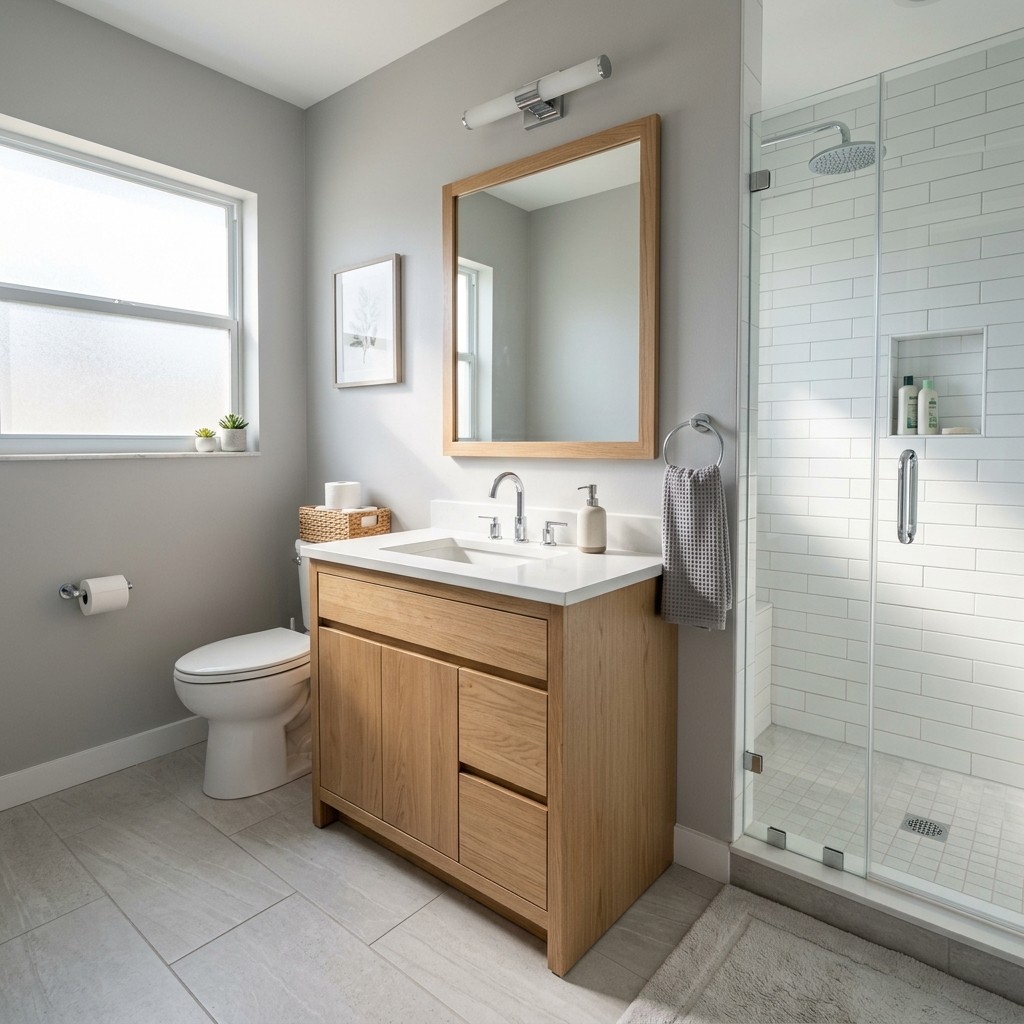
This is the single biggest trap in the whole law. A homeowner in Kendale Lakes reads about HB 803, figures their $4,000 bathroom refresh is permit-free, and starts tearing out the old vanity. Then a neighbor mentions the canal behind the block puts half the street in a flood zone. Now that "permit-free" job could mean a stop-work order, a back-permit fee, and an inspector asking why nobody pulled paperwork.
Here is the plain version. If you are in a flood-hazard zone, assume you need a permit for any remodel work until your local building department tells you otherwise in writing. This guide explains why the flood rule overrides HB 803, how to check whether your Miami property is in a flood-hazard zone, and which neighborhoods are most likely affected.
Why Flood-Zone Rules Sit on Top of HB 803
HB 803 was signed by Governor DeSantis on May 7, 2026, and takes effect July 1, 2026. It exempts cosmetic work on single-family homes from building permits when the total job stays under $7,500. Paint, flooring, tile, cabinets, countertops, trim, and swapping fixtures in their existing spots all qualify. We covered the full rule in our HB 803 cornerstone guide.
But the law carves out a clear exception. Any work on a property inside a flood-hazard zone still needs a permit, no matter how small or how cosmetic. The dollar cap and the type of work do not matter.
The reason is older than HB 803. Flood-hazard zones are governed by the Florida Building Code and by federal flood rules tied to the National Flood Insurance Program. Those rules keep communities eligible for federal flood insurance. If a city stopped tracking work in flood zones, the whole community could lose its insurance standing. That is a much bigger problem than one permit fee, so the state left the flood-zone permit requirement fully in place when it wrote HB 803.
Think of it as two layers. The bottom layer is the flood-zone rule, in place for years. The top layer is HB 803, which removes permits for small cosmetic jobs. HB 803 only peels back the top layer. The flood-zone layer underneath stays exactly where it was. When both apply to your property, the flood rule wins.
What "Flood-Hazard Zone" Actually Means
A flood-hazard zone is land that federal and state maps flag as having a real chance of flooding. In plain terms, it is property where water is expected to reach during a major storm or heavy rain event. Miami-Dade has a lot of it. We sit low, we sit near the coast, and we are cut through with canals.
The official maps come from FEMA. They are called Flood Insurance Rate Maps. Each parcel gets a flood-zone designation, a letter code that tells you the risk level. High-risk zones are the ones that trigger the extra permit rules. If your mortgage requires flood insurance, that is a strong sign you are in a high-risk flood-hazard zone, and HB 803 will not help you skip permits.
One thing to keep straight. Being in a flood zone does not mean your house floods every year. Plenty of homes in these zones have never taken on water. The designation is about risk and the rules that come with it. For HB 803, what matters is the designation on the map, not your personal flood history.
How to Check If Your Miami Property Is in a Flood Zone
Do not guess. Do not trust a neighbor's hunch. Check the official sources before you assume the HB 803 exemption covers your project. There are three solid ways to do it.
Use the Miami-Dade flood zone map
Miami-Dade County publishes flood-zone information online. Search for the Miami-Dade County flood zone map or flood-zone lookup tool on the county website and type in your address. The result shows the FEMA flood-zone code for your parcel. If it lands in a high-risk category, treat your remodel as permit-required.
Call your local building department
This is the step we tell every homeowner to take, and the one that actually protects you. Cities inside Miami-Dade run their own building departments. Kendall and other unincorporated areas go through the county. Cutler Bay, Palmetto Bay, Pinecrest, Coral Gables, and Doral each have their own. Call yours, give them your address, and ask two questions. Is my property in a flood-hazard zone? And does my planned cosmetic work need a permit under the new HB 803 rules? Get the answer from the office that issues the permits, because they decide.
Check your flood insurance and closing documents
If you bought your home with a mortgage, your lender likely ran a flood-zone determination at closing. Dig out your closing paperwork or your insurance policy. If you carry a flood insurance policy that the lender required, you are almost certainly in a high-risk flood-hazard zone. That alone tells you HB 803 will not waive your permit.
When the three sources disagree, or when anything is unclear, go with what your local building department says in writing. The map is a guide. The building department is the authority.
Which Miami Areas Are Most Affected
Flood-hazard zones are scattered all over Miami-Dade, but some areas have far more of them than others. If you live in one of these, the odds that HB 803 does not cover your remodel go up a lot. This is general guidance, not a parcel-by-parcel ruling, so confirm your exact address.
- Cutler Bay. Low elevation and close to Biscayne Bay. Large parts of Cutler Bay fall inside flood-hazard zones. Many homes here carry required flood insurance, which is the tell. Assume permit-required and confirm with the town.
- Palmetto Bay. The bay side and the canal-front streets put a good share of Palmetto Bay in flood zones. The closer you are to the water, the more likely the exemption does not apply.
- South Miami Heights. The low-lying pockets of South Miami Heights sit in flood-hazard areas. Not every street, but enough that you should check before counting on HB 803.
- Canal-front property anywhere. Miami-Dade is laced with drainage canals. If a canal runs behind or beside your lot, your parcel may be in a flood zone even if the houses a block away are not. Canal-front lots in Kendale Lakes, The Hammocks, and similar inland neighborhoods can surprise you.
- Coastal and waterfront parcels. Anything near Biscayne Bay or the ocean. Coconut Grove waterfront, low parts of Coral Gables near the water, and similar lots are commonly in flood-hazard zones.
The pattern is simple. Low ground, coast, and canals raise your flood-zone odds. High ground and inland blocks away from canals lower them. But there are exceptions both ways, so check the map and call the building department instead of going by the neighborhood name alone.
The Safe Move: Assume a Permit Until You Confirm
Here is the rule we follow on every job, and the one we tell homeowners to follow too. If there is any chance your property is in a flood-hazard zone, assume the work needs a permit until your building department confirms in writing that it does not.
This costs you nothing but a phone call and maybe a few days. Getting it wrong costs a lot more. A stop-work order halts your project mid-demolition. A back-permit means paying the fee anyway, plus possible penalties, plus an inspection of work that is already done and maybe already covered up. Tile over a wall, then have an inspector tell you to open it back up, and you are paying twice.
Permit fees in Miami-Dade typically run $200 to $800, and approval plus inspection scheduling typically takes 1 to 4 weeks. Those are real costs and real waits, but they are far less painful than fixing an unpermitted job after the fact. In a flood zone, the permit is not red tape you can skip. It is part of doing the work right.
This applies to plenty of cosmetic projects. A bathroom tile refresh, an interior repaint, new flooring, a vanity swap, all of it. If the address is in a flood-hazard zone, the small size of the job does not buy you a pass.
How We Handle Flood-Zone Jobs
When a homeowner calls us about a remodel, the flood zone is one of the first things we check. We do not pretend a job is permit-free just to win the work and leave you holding the bag later. That is not how a fully insured remodeling team should operate.
If your property is clear of any flood-hazard zone and the work is cosmetic and under $7,500, HB 803 applies and we move fast with no permit. If your property is in a flood zone, we tell you straight and coordinate the parts of the job that require a permit. You still get the remodel. The paperwork just gets handled correctly, so there is no stop-work order and no surprise later.
This matters most on exterior work, where flood-zone rules are strictest. If you have storm damage, water intrusion, or exterior repairs on a flood-zone property, that work almost always needs a permit. Our exterior repairs crew knows the Miami-Dade flood-zone process and can walk you through it.
One more thing on timing. HB 803 takes effect July 1, 2026. Our HB 803 timeline guide lays out how the rules change on either side of that date. But even after July 1, the flood-zone exception holds. The new date does not unlock flood-zone properties.
FAQ: HB 803 and Flood Zones in Miami
Does HB 803 apply to my home if it is in a flood zone?
No. If your single-family home is in a flood-hazard zone, HB 803 does not waive the permit, even for cosmetic work under $7,500. Flood-zone permit rules come from the Florida Building Code and federal flood program requirements, and HB 803 left them fully in place. The $7,500 cap and the cosmetic-work exemption simply do not apply once your parcel is inside a flood-hazard zone. Treat the work as permit-required and confirm the details with your local building department before you start.
How do I find out if my Miami property is in a flood-hazard zone?
Use three sources. First, look up your address on the Miami-Dade County flood zone map online, which shows your FEMA flood-zone designation. Second, call your local building department, give them your address, and ask directly whether you are in a flood-hazard zone. Third, check your closing documents and insurance, because a required flood insurance policy is a strong sign you are in a high-risk zone. If the sources disagree, go with what the building department tells you in writing, since they issue the permits.
Why does the flood rule override the new HB 803 exemption?
Flood-zone permit requirements protect a community's standing in the federal flood insurance program. If a city stopped tracking work in flood zones, the whole community could lose access to that insurance, a far bigger problem than any single permit fee. So HB 803 removed permits only for small cosmetic jobs on properties outside flood zones. The older flood-zone rule stays underneath, untouched. When both apply to your property, the flood rule wins every time.
Which Miami neighborhoods are most likely to be in flood zones?
Cutler Bay, Palmetto Bay near the bay and canals, and low-lying parts of South Miami Heights have a high share of flood-hazard property. Coastal and waterfront parcels near Biscayne Bay are commonly in flood zones too. Canal-front lots anywhere in Miami-Dade can be flagged even when nearby homes are not. This is general guidance only. Two homes on the same street can have different designations, so always confirm your exact address with the map and the building department.
What happens if I skip the permit and I was actually in a flood zone?
You risk a stop-work order, back-permit fees, penalties, and an inspection of work that may already be finished. If tile or drywall covers the area, the inspector can require you to open it back up, which means paying for the same work twice. Unpermitted work in a flood zone can also create problems when you sell the home or file an insurance claim. The permit fee of $200 to $800 and the 1 to 4 week wait are small next to those costs. When in doubt, pull the permit.
I am in a flood zone but my project is just paint. Do I really need a permit?
Ask your building department, but plan on it. The HB 803 exemption that would normally cover a small paint or tile job does not apply once your property is in a flood-hazard zone. The law does not carve out an extra pass for the smallest cosmetic jobs in flood areas. Some departments treat very minor interior cosmetic work differently, so it is worth a phone call to confirm. Until they tell you otherwise in writing, assume the permit is required and budget for it.
Does being in a flood zone mean my house floods often?
No. A flood-zone designation is about mapped risk and the rules that come with it, not about whether your home has ever taken on water. Plenty of homes in these zones have stayed dry for decades. For HB 803, what matters is the designation on the FEMA map, not your personal flood history. Even a home that has never flooded still falls under the flood-zone permit rules if the map says so, and HB 803 will not waive the permit for it.
Can a remodeling company handle the flood-zone permit for me?
A remodeling team can coordinate the permitted parts of your project and guide you through the Miami-Dade flood-zone process. We do this for our flood-zone clients so the paperwork is handled correctly and there is no stop-work surprise. What no honest company should do is promise a flood-zone job is permit-free, or split it into fake sub-$7,500 invoices to dodge the rules. That anti-bundling move is banned under HB 803 and can leave you exposed. Pick a fully insured team that tells you the truth about your zone.
Sources
- Florida HB 803 at the Florida Senate
- Florida House Staff Analysis (PDF)
- Adams and Reese: HB 803 Beyond the $7,500 Exception
- Insurance Journal: DeSantis Signs $7,500 Permit Bill
- WFSU News: New Florida Law Drops Permits for Low-Cost Projects
Ready to Plan Your Miami Remodel the Right Way?
Broke & Fixed Home Solutions checks the flood zone before we promise anything. Family owned. Fully insured. Bilingual EN/ES. We work in Cutler Bay, Palmetto Bay, South Miami Heights, Kendall, and the rest of Miami-Dade County. Free in-home estimates, response within 15 minutes.
Start here:
- Florida HB 803: the full permit-exemption guide
- HB 803 timeline: before and after July 1, 2026
- Exterior repairs in Miami-Dade
- Remodeling in Cutler Bay
- Remodeling in Palmetto Bay
Or call us directly at (786) 363-7039.
Ready to start your Miami remodel?
Free in-home estimate. We will give you clear next steps.