Removing Your Only Bathtub in Miami: The Resale Question, Answered Straight
One Question Decides This
Not tile choice. Not glass. Not budget. This:
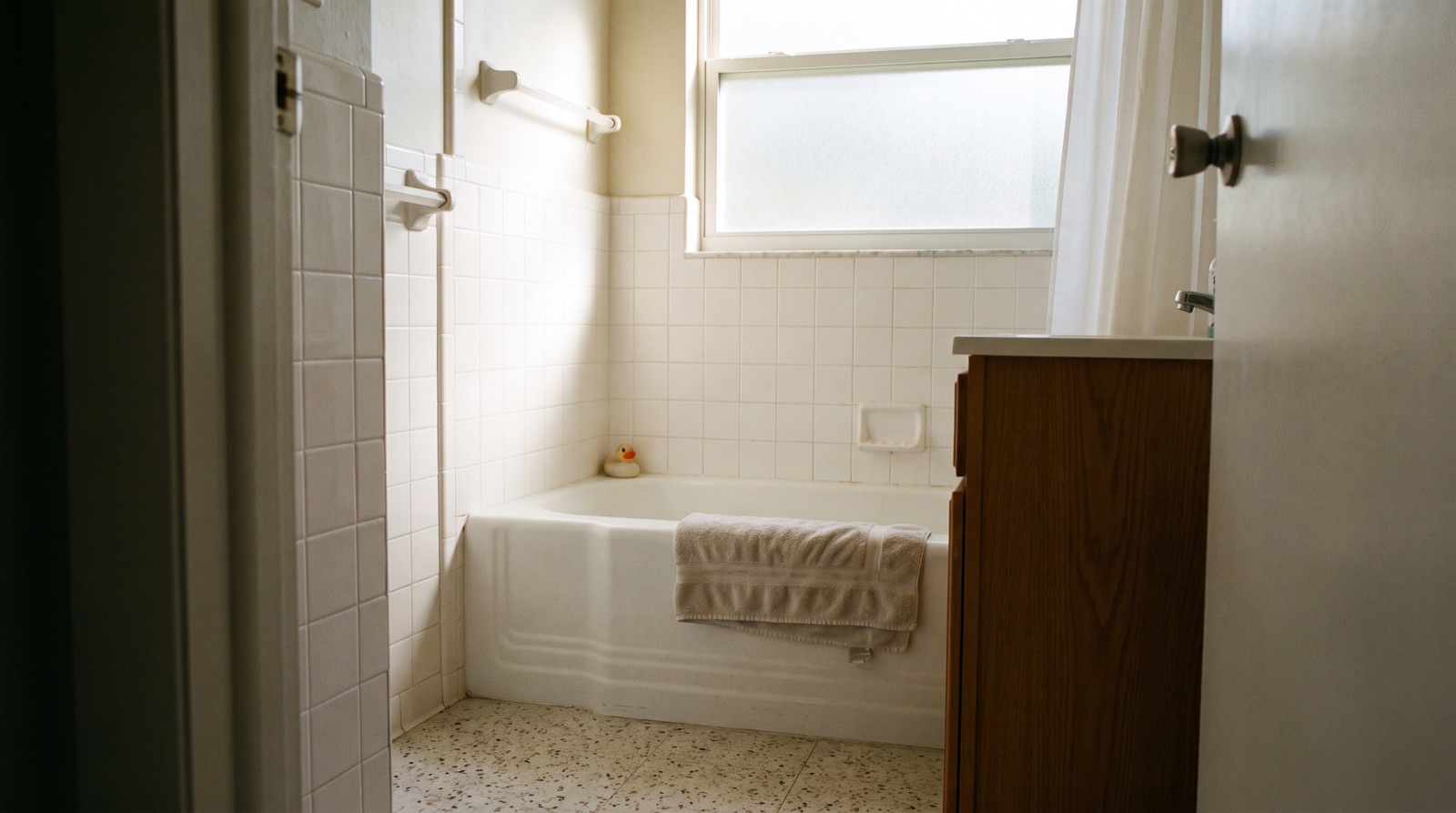
After the conversion, will your house still have at least one bathtub?
If yes, convert. A tub-to-shower conversion in a home that keeps another tub returns roughly 60 to 70 percent of its cost and widens your appeal to a large and growing group of buyers.
If no, and you live in a three-bedroom-or-larger family home, slow down. You are not just remodeling a bathroom. You are removing a feature that a meaningful share of your future buyers will filter for.
Everything else in this article is detail on that one question.
Why Buyers Still Care About Tubs
Families with young children are the reason. Bathing a toddler in a walk-in shower is genuinely difficult, and buyers with small kids know it before they walk in the door. Many will not consider a house without a tub, and some search filters remove those listings before a person ever sees them.
That is the part that hurts. It is not that a buyer sees your beautiful new shower and offers less. It is that a share of buyers never see the listing at all.
On the other side, walk-in showers appeal strongly to buyers over 50, empty nesters, and anyone thinking about staying in a home long term. That group is large in Miami-Dade and getting larger. For them, a step-over tub is the problem, not the feature.
So this is not a question of what is better. It is a question of which buyer your house is for.
The Money, Plainly
If the house keeps another tub: a conversion returns about 60 to 70 percent of its cost at resale, and it improves how the bathroom shows. That is a normal, healthy remodeling return. Nothing in a bathroom returns 100 percent.
If it was the only tub: the return can go negative. Spending $8,000 to remove the last tub in a family home is one of the few remodeling decisions that can leave you worse off than doing nothing, because you have paid for something and narrowed your buyer pool at the same time.
That is the whole financial case, and it is why we would rather tell you now than after demolition.
The Miami Version of This Question
The general rule holds everywhere. What changes by neighborhood is who is likely to buy your house.
Kendall, West Kendall, The Hammocks, Country Walk, The Crossings, Kendale Lakes. Family-heavy areas with three and four bedroom homes, most of them with two bathrooms. The typical buyer here has kids or plans to. Keep a tub in the guest bathroom. Convert the primary. That combination is close to ideal, and it is the most common request we get in the Kendall corridor.
Pinecrest, Coral Gables, Palmetto Bay. Higher price points, larger homes, usually three or more bathrooms. Buyers here expect a substantial shower in the primary bathroom and generally expect a tub somewhere in the house. You have room to convert without risk, and the finish level matters more than the fixture count.
Condos and smaller units in Coconut Grove, South Miami, Brickell-adjacent buildings. One bathroom is common, and the buyer pool skews toward singles, couples, downsizers, and investors rather than families with young children. A one-bathroom condo is the clearest case where converting the only tub is usually fine and often an upgrade.
One-bathroom single-family homes. The hardest case. You are choosing between your daily comfort and a buyer pool you may not sell to for a decade. See the next section.
If You Only Have One Bathroom
You have four real options.
1. Convert anyway, on purpose. Live in the house long enough and daily comfort wins. If you plan to stay seven or more years, the resale consideration is distant and the market will have shifted. This is a legitimate choice, made with the information rather than around it.
2. Convert and keep the option open. Build the shower in the tub's footprint, in a standard 60 by 30 alcove, and do not move the drain or reframe the opening. A future owner can put a tub back for a fraction of what a full reconfiguration costs. This is the version we recommend most often, and it costs no more than the standard build.
3. Add a tub somewhere else first. If a half bath can become a full bath, or there is space for a second bathroom, that changes the whole equation. It also costs considerably more than the conversion.
4. Do not convert. If the tub works, you do not have a mobility issue, and you are likely to sell inside three years, keeping it is a defensible answer. We will say so.
The Safety Case Beats the Resale Case
There is one situation where none of this applies. If someone in the house has a mobility issue, a balance problem, or is recovering from surgery, step over the resale math and convert.
A step-over tub is one of the more common places people fall at home. Sixty to seventy percent of a remodeling cost is not the relevant number when the alternative is a fall. Our tub-to-shower conversion guide for seniors covers grab bar placement, bench options, and low-entry design for exactly this situation.
Resale is a planning concern. Safety is a today concern. They are not the same weight.
What Protects Value When You Do Convert
If you have decided to go ahead, these choices help the bathroom show well to the widest group of buyers:
- Keep the standard footprint. A 60 by 30 alcove reads as normal and stays reversible.
- Build in tile, not a molded panel, especially in Pinecrest, Coral Gables, and Palmetto Bay where buyers and agents notice.
- Choose a low curb rather than a tall one. It looks current and it serves accessibility without looking clinical.
- Add a bench and a niche. Both photograph well and both get used.
- Install blocking for grab bars even if you skip the bars. It costs almost nothing during construction and makes the bathroom easy to adapt later. Buyers over 50 notice when this has been thought about.
- Permit the work. An unpermitted plumbing change surfaces during a sale, and that is the worst possible time. See do you need a permit to convert a tub to a shower.
The Summary
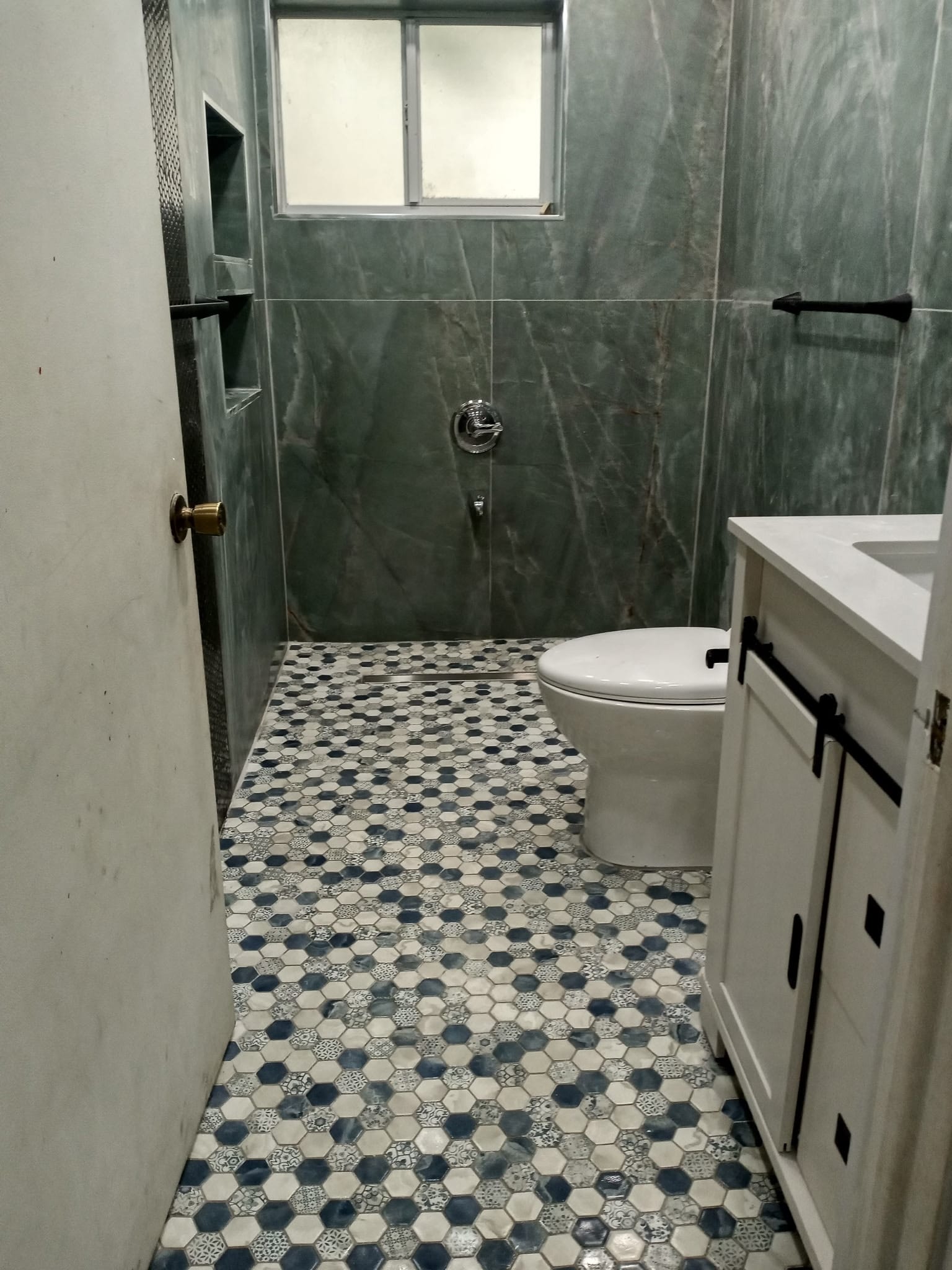
Count the tubs in your house. If the answer after conversion is one or more, this is a good project with a normal return. If the answer is zero and you have a family-sized home in a family neighborhood, think hard, and consider converting the primary while keeping the guest tub.
If somebody in the house needs the shower for safety reasons, convert. The math changes when a fall is on the other side of the decision.
Ready for a number? The tub-to-shower conversion estimate returns a starting range for your bathroom. If you are weighing the whole decision, the walk-in shower vs bathtub comparison covers daily use rather than resale.
Frequently Asked Questions
Does removing a bathtub always lower my home value?
No, and this is where most of the confusion comes from. If your home keeps at least one tub in another bathroom, converting a second one usually does not hurt value and frequently helps, because a well-built walk-in shower reads as an update and appeals to a large group of buyers over 50. The published return for a conversion in that situation is roughly 60 to 70 percent of cost, which is a normal bathroom remodeling return. The negative case is specific: removing the last tub in a three-bedroom-or-larger home in a family neighborhood. There the loss comes less from a lower offer and more from a smaller pool of interested buyers, because families with young children often filter listings for a tub before they ever see photos of your shower.
We are staying in the house for ten years. Does resale matter at all?
Much less than the internet suggests. Ten years is long enough that the bathroom will likely be dated again by the time you sell, buyer preferences will have moved, and the daily value of a bathroom you actually enjoy compounds every single day in between. If you plan to be there that long and a walk-in shower is what you want, take it. The one thing worth doing is cheap insurance: build the shower in the tub's original 60 by 30 footprint and leave the drain where it is. That keeps the room reversible for a future owner at modest cost, and it does not change your price or your experience at all. It is the same build either way, just a decision not to reconfigure the space unnecessarily.
Is it better to convert the primary bathroom or the guest bathroom?
Convert the primary and leave the tub in the guest bathroom. This is the single best answer for most Miami homes with two bathrooms, and it is what we do most often in the Kendall corridor. You get the walk-in shower where you use it every day, and the house keeps a tub for children, for guests, and for the search filters buyers use. The primary bathroom is also where a nicer shower does the most work at resale, because it is the room buyers spend the most time evaluating. Converting the guest bathroom instead gives you the same construction cost, less daily benefit, and removes the tub from the room where it is most likely to be wanted.
Ready to start your Miami remodel?
Free in-home estimate. We will give you clear next steps.