Do You Need a Permit to Convert a Tub to a Shower in Miami-Dade?

The Short Answer
Usually yes. A tub-to-shower conversion almost always touches the drain, and often the supply lines and valve as well. Plumbing work is exactly the category that triggers permit review in Miami-Dade, and that stays true even after Florida's HB 803 took effect on July 1, 2026.
This surprises people, because HB 803 got a lot of coverage as the law that ended permits for small remodels. It did, for cosmetic work. A tub-to-shower conversion is not cosmetic work, no matter how simple it looks from the outside.
Why HB 803 Does Not Cover This
HB 803 says that if you own a single-family home in Florida, the work is cosmetic, and the total project is under $7,500, your city or county cannot require a building permit. We wrote a full explainer on what HB 803 actually changed.
Cosmetic means finish work. Paint. Flooring. Cabinets. Countertops. Trim. Swapping a vanity or a faucet in the spot it already sits.
The exemption ends the moment the work touches plumbing, electrical, structure, gas, or HVAC. It also does not apply if the home sits in a flood hazard zone, which covers a meaningful share of Miami-Dade.
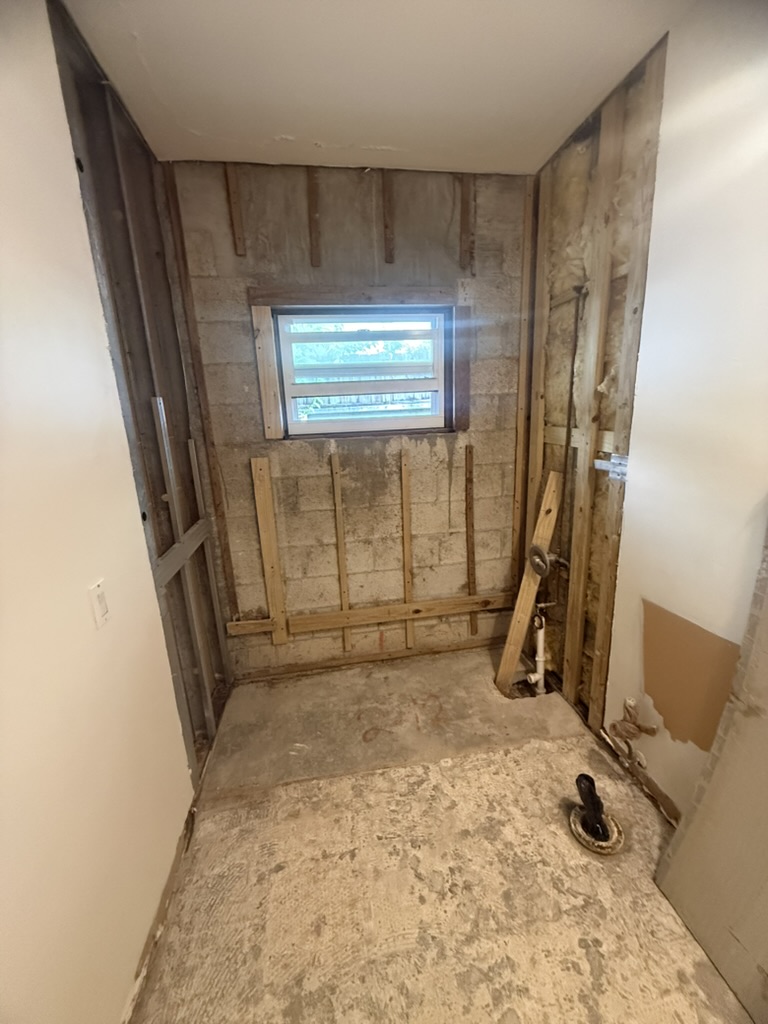
A tub-to-shower conversion touches plumbing by definition. Tub drains and shower drains are different sizes. A tub drain is typically 1.5 inches. A shower drain is 2 inches under plumbing code. That alone is a plumbing modification, before anyone talks about moving the drain or changing the valve.
So the honest answer is that HB 803 is genuinely useful for a lot of Miami remodeling work, and this particular project is not one of them.
What Specifically Triggers Review
Any one of these puts your project into permit territory:
- Changing the drain size. Going from a 1.5 inch tub drain to a 2 inch shower drain is a plumbing change.
- Relocating the drain. Tub drains and shower drains rarely line up. Moving one even a few inches is enough.
- Changing or relocating the valve. A new shower valve is new plumbing.
- Opening a wall that contains supply lines. Once the wall is open and lines are modified, you are in scope.
- Any structural change. Widening the opening, removing a partial wall, or altering framing.
- Electrical work. Adding a light, a fan, or a GFCI outlet in the wet zone.
Here is what generally does not trigger a permit on its own: replacing a shower head, re-grouting, replacing a glass door on an existing enclosure, or repainting. Those are maintenance and finish work.
The Part Homeowners Get Wrong
The most common mistake is assuming that "same footprint" means "no permit." It does not. Keeping the new shower in the old tub's footprint is a smart way to control cost, because it limits how far the drain has to move. It is a construction decision, not a permitting exemption. The drain size change alone still puts you in review.
The second most common mistake is assuming the permit is the company's problem and therefore not yours. Unpermitted plumbing work shows up later, and it shows up at the worst possible time: during a sale, during an insurance claim, or during a refinance. An open or missing permit on a bathroom can hold up a closing. That is a real risk to your money, not a paperwork technicality.
If You Live in a Condo, There Are Two Approvals
This trips up a lot of Miami owners. In a condo or an HOA community, the building permit and the association approval are separate processes, and you need both. The association approval usually comes first.
Your association's architectural review is governed by the Declaration, the By-Laws, and the community rules. Read them before you plan anything, not after. Typical requirements include:
- A written architectural change request describing the scope of work
- Information about the company performing the work, including insurance certificates
- Written approval before anything starts
- Restrictions on work hours, often 9am to 5pm on weekdays only
- Elevator reservation and protection requirements in high-rises
- Limits on wet work, and sometimes on which floors can be modified at all
- Proof of permit before the association releases access
Some buildings also require a plumbing riser shutdown to be scheduled and noticed to neighbors well in advance. In an older high-rise, that scheduling can be the longest single item in your timeline.
Start the association process before you order materials. We have seen projects sit for weeks because tile arrived before the architectural review came back.
What This Adds to Your Budget and Schedule
Permit fees for a residential plumbing permit in Miami-Dade generally fall in the low hundreds of dollars for a project this size. Published ranges for bathroom permits across South Florida run from about $200 to $2,000, with the high end covering larger, more complex remodels than a single tub-to-shower conversion.
The bigger cost is usually time, not fees. Plan for the permit and inspection cycle to add days to the schedule, and for a condo association review to add one to several weeks on top. That is why the conversion timeline guide treats permitting as a separate track running alongside the construction days.
What to Ask Before Anyone Starts
Ask these five questions and get the answers in writing:
A remodeling company that does this work regularly answers all five without pausing. If the answer to the first question is that a permit is not needed for a tub-to-shower conversion, treat that as the end of the conversation.
The Bottom Line
HB 803 is a real improvement for cosmetic remodeling in Florida, and we are glad it passed. It does not cover a tub-to-shower conversion, because this project changes plumbing.
Permit it properly. It protects the sale of your home later, it protects you if there is ever a water claim, and the inspection is a second set of eyes on the work before it gets closed behind tile.
If you want a project-specific range that accounts for permitting in your area, use the tub-to-shower conversion estimate. If you are still deciding on scope, the cost guide breaks down where the money goes.
Frequently Asked Questions
Does HB 803 let me skip the permit on a tub-to-shower conversion?
No. HB 803 exempts cosmetic work under $7,500 on single-family homes from building permit requirements, and it explicitly does not apply when work touches plumbing, electrical, structure, gas, or HVAC. A tub-to-shower conversion changes plumbing every time, because a tub drain and a shower drain are different sizes under code. A tub drain is typically 1.5 inches and a shower drain is 2 inches, so even a conversion that keeps the exact footprint and never moves the drain laterally still involves a plumbing modification. The exemption also does not apply to homes in flood hazard zones, which covers a meaningful portion of Miami-Dade. HB 803 is genuinely useful for paint, flooring, cabinets, countertops, and same-spot fixture swaps. This project is not in that category.
What happens if the previous owner converted the bathroom without a permit?
You inherit the situation, and it typically surfaces when you sell, refinance, or file an insurance claim. A title search or a municipal lien search can reveal an open permit or none at all where plumbing work clearly happened, and a buyer's inspection may flag a shower that does not match county records. Resolving it usually means applying for an after-the-fact permit, which can require opening finished walls so an inspector can verify what is behind them. That is expensive and disruptive on a shower that is already tiled. If you are buying a Miami home with a converted bathroom, ask for the permit record during your inspection period rather than after closing. If you already own one, it is worth finding out now, while you can plan the fix on your own schedule.
Do I need association approval and a permit, or just one of them?
Both, and they are independent of each other. Your city or county issues the building permit based on code. Your condo or HOA board approves the work based on your community's governing documents, which are a private contract among owners. Getting a permit does not satisfy the association, and association approval does not satisfy the county. In practice the association review usually has to come first, because many buildings will not grant access, reserve an elevator, or schedule a riser shutdown until they have approved the scope, and some require a copy of the issued permit before releasing access. Read your Declaration, By-Laws, and rules before you order any materials, and submit the architectural change request early, because review timelines vary widely from a few days to several weeks.
Ready to start your Miami remodel?
Free in-home estimate. We will give you clear next steps.