HOA Architectural Review After HB 803: What Changed for Miami Homeowners
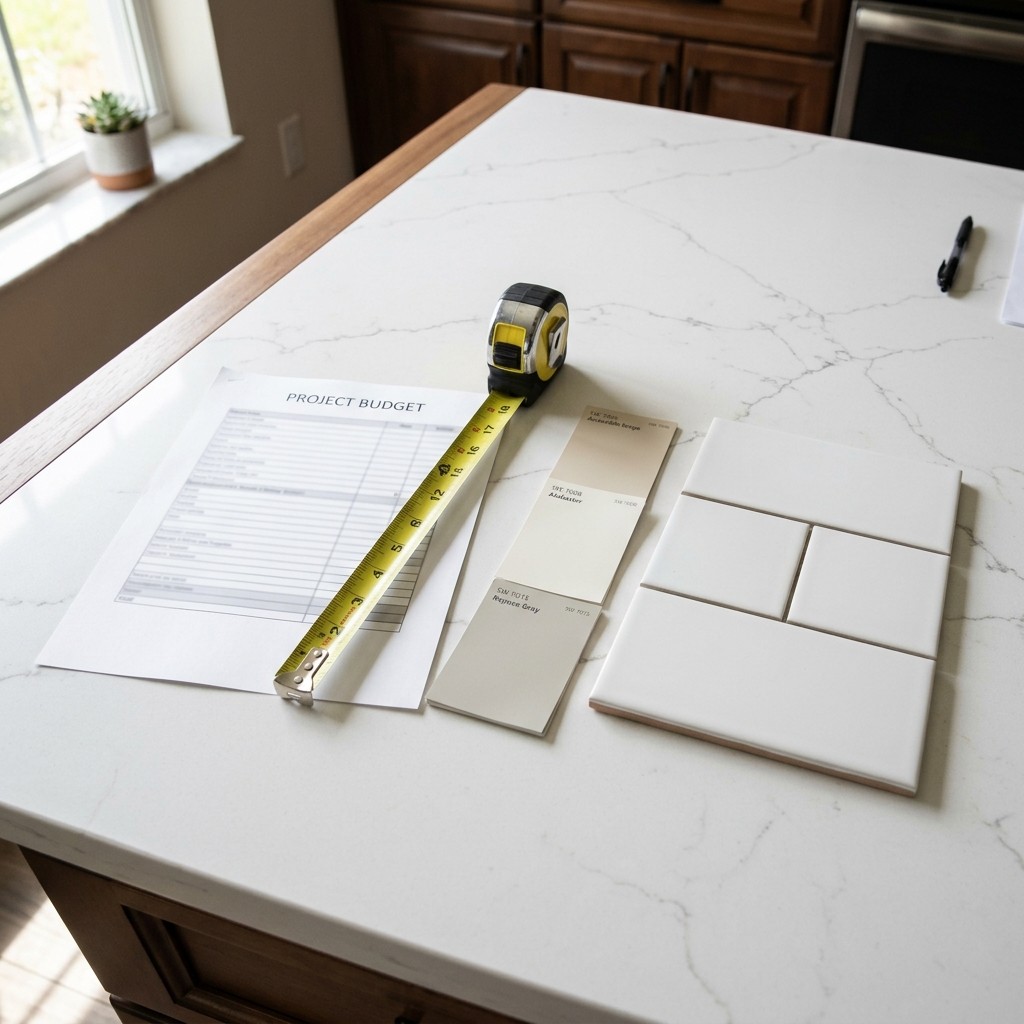
What HB 803 Changed for HOA Review
Starting July 1, 2026, your homeowners association can no longer require a building permit as a precondition for its architectural review. That is the change in one sentence. The HOA still gets to approve or reject the design itself, pick allowed colors, and set material standards. What it cannot do anymore is tell you to bring a stamped permit before it will even look at your request.
This is a real shift in Miami, where HOA architectural committees in Coral Gables, Pinecrest, Doral, and parts of Kendall have used the permit requirement as a gate for years. Governor DeSantis signed HB 803 into law on May 7, 2026. The Senate companion was SB 1144. The HOA piece rides along with the better-known $7,500 permit exemption, but it stands on its own and matters even when your project is too big to skip a permit.
This guide explains what the HOA can still do, what it cannot, and exactly how a Miami homeowner approaches the review board after July 1.
The Old Process vs the New One
For years the order of operations in a lot of Miami HOAs went like this. You wanted to repaint your house or replace the front walkway tile. The architectural committee told you to pull a permit first, then come back with the permit number, then they would review the design. So you paid the city, waited on the building department, and only after all that did the HOA start its own clock. Two waits stacked on top of each other.
HB 803 cuts the first wait out of the HOA stage. Now the association reviews your design on its own merits. If they like it, they approve it. If your project also needs a city permit because it touches plumbing, electrical, structure, gas, mechanical, or roofing, you still pull that permit. The difference is the HOA cannot hold its review hostage to it. The two tracks run separate, and the design review can move while the permit is still in process or before you ever file for one.
That sounds small. In practice it can shave weeks off a project in a slow HOA.
What Your HOA Can Still Do
Be clear about this so nobody walks into a board meeting with the wrong expectations. HB 803 did not strip HOAs of their power over how your house looks. The association keeps all of the following:
- Approve or reject the design itself. If they do not like your tile pattern or your new exterior color, they can still say no.
- Set an approved color palette. Many Miami HOAs publish a list of allowed paint colors. That list still stands.
- Require specific materials or finishes. Barrel tile roofs, stucco texture, fence styles, paver types. Those rules survive.
- Enforce setbacks, heights, and design guidelines written into the covenants.
- Charge a reasonable application or review fee for the architectural submission.
- Take the time their governing documents allow to respond to your application.
So if you are repainting the exterior of a home in a Coral Gables HOA, the association can still hold you to its color rules. HB 803 does not let you paint the house lime green over their objection. It only stops them from demanding a permit before they will review the lime-green request in the first place.
What Your HOA Can No Longer Do
Here is the part that helps you. After July 1, 2026, your HOA cannot:
- Require you to obtain a building permit as a condition of starting or completing its architectural review.
- Refuse to process your application because you have not shown them a permit.
- Delay a decision by sending you to the building department first.
If your architectural committee tells you after July 1, "We need your permit number before we can review this," that is the exact practice the law now prohibits. Politely point them to HB 803. Most boards in Miami-Dade are run by volunteers who will not have read the statute yet, so a calm heads-up usually settles it.
One honest caveat. The HOA can still ask whether your project needs a permit and can require, as a general matter, that you comply with all applicable codes. That is normal. What it cannot do is make the permit itself a gate in front of its own review.
How a Miami Homeowner Approaches the HOA After July 1
The smart play has not changed much, it just got faster. Here is the order we walk our clients through.
Step 1. Read your own covenants first
Before you do anything, pull your HOA's architectural guidelines. Every association in Coral Gables, Pinecrest, Doral, and the gated communities around Kendall has a document that lists allowed colors, materials, and the submission process. Most of the fights we see come from homeowners who never read this and picked a finish that was never going to fly.
Step 2. Submit the design package early
Put together a clean architectural submission. For an exterior paint job that means color names and codes, the manufacturer, and where each color goes. For tile or a walkway it means the product, the layout, and a photo or rendering. Submit it before you order materials and before you book the crew. A good remodeling team will hand you a spec sheet you can drop straight into the HOA application.
Step 3. Do not wait on a permit you may not even need
This is where HB 803 saves you time. If the work is cosmetic, like interior painting or exterior painting, you may not need a city permit at all once the $7,500 exemption applies. And even when a permit is required for some other part of the job, you no longer pull it just to satisfy the HOA. File the design with the board now. Handle any permit on its own track.
Step 4. Let the design review and the permit run in parallel
If part of your project does need a permit, our team coordinates the permitted portions while your HOA reviews the look. Two clocks running at the same time instead of one after the other. That is the whole point of the change.
Step 5. Get the approval in writing
Whatever the board decides, get it in writing with a date and a signature. Verbal approvals from one board member do not protect you if the committee changes its mind later. We will not start exterior work until you have that written sign-off in hand, because the homeowner is the one who answers to the HOA, not the crew.
HOA-Heavy Miami Areas and What to Expect
Not every Miami neighborhood works the same way. A few notes from the field.
Coral Gables. The city itself runs a Board of Architects, the ARB, on top of any private HOA. That city review is separate from HB 803's HOA provision and still applies to exterior changes visible from the street. Many homes also sit inside a private association with its own color and material rules. So in Coral Gables you can face two layers of design review. HB 803 helps with the private HOA layer. The city ARB is its own process, and our team can walk you through both.
Pinecrest. Heavy on large single-family lots, mature tree canopy, and strict landscaping and exterior standards. HOAs and the village both care a lot about how the front of the house reads. In Pinecrest the HB 803 change means your association cannot stall a repaint or a hardscape refresh behind a permit demand anymore.
Doral. Newer master-planned communities with active architectural committees and published design guidelines. These boards tend to be organized and document-driven, which actually works in your favor under the new law. In Doral, submit a tidy package, cite HB 803 if anyone asks for a permit up front, and the review usually moves on schedule.
Kendall and West Kendall. A mix. Some gated communities run tight architectural review, others barely have a committee. Read your specific covenants, because the rules vary block to block.
Where the $7,500 Exemption and the HOA Rule Meet
These are two separate parts of the same law, and it helps to see how they line up. The $7,500 exemption decides whether the city makes you pull a permit. The HOA provision decides whether your association can use a permit as a gate. A cosmetic exterior repaint under $7,500 may need no city permit at all, and your HOA cannot demand one either, so both barriers fall at once. We break down the permit side in our cornerstone guide, Florida HB 803: Skip the Permit for Cosmetic Remodels Under $7,500. If your project is a kitchen or a bathroom, the math is a little different, and we cover each in the kitchen breakdown and the bathroom breakdown. Read whichever matches your job, then come back to this one for the HOA side.
FAQ: HB 803 and HOA Architectural Review
Can my HOA still reject my paint color after HB 803?
Yes. HB 803 did not touch the HOA's authority over design. If your association publishes an approved color palette or has the right to approve exterior colors under its covenants, that power is intact. You still submit your color choice and the board can still say no. What changed is only the permit gate. The HOA cannot require you to bring a building permit before it will review your color request. So the review happens sooner, but the answer can still be a no on the design itself.
My HOA asked for my permit number before reviewing my project. Is that legal now?
Not after July 1, 2026. Requiring a building permit as a precondition for architectural review is the specific practice HB 803 prohibits. If your committee asks for a permit number before it will process your application, that is no longer allowed. Most Miami HOA boards are run by volunteers who may not know the law yet, so point them to HB 803 in writing and keep it friendly. They can still ask whether your work needs a permit. They just cannot make the permit a gate in front of their own review.
Does HB 803 override the Coral Gables Board of Architects?
No. The Coral Gables ARB is a city review, not an HOA. HB 803's provision applies to homeowners associations, so it does not change the city's own architectural review process for exterior changes visible from the street. In Coral Gables you can face both a private HOA and the city ARB. HB 803 helps with the HOA layer by removing the permit gate there. The city process is separate and still applies. Our team can guide you through both so you are not surprised by a second review.
How long does HOA architectural review take in Miami?
It varies by association and by what their governing documents allow. Some boards review within a couple of weeks, others meet monthly and can take 30 to 60 days. HB 803 does not set a deadline for the HOA's decision. What it does is remove the extra permit wait that used to sit in front of the review. Before, you might wait on the city permit and then start the HOA clock. Now the design review runs on its own, so the overall timeline gets shorter even if the board's own pace stays the same.
Do I still need a permit for exterior painting in an HOA neighborhood?
For most cosmetic exterior paint jobs under $7,500 on a single-family home, the city permit goes away under the $7,500 exemption, and your HOA cannot require one either. So often you need no permit at all. The exception is a property in a flood-hazard zone, where the exemption does not apply and a permit is still required. You will still need your HOA's design approval for the color and finish. The permit and the HOA approval are two different things, and after HB 803 only the HOA design approval reliably stands in the way of a simple repaint.
Can the HOA charge me a fee for architectural review?
Yes. HB 803 does not stop an association from charging a reasonable application or review fee for an architectural submission, as long as that fee is allowed under the governing documents. What the law addresses is the permit requirement, not the HOA's normal review fee. So expect to pay whatever your association normally charges to process a design request. Just do not expect to also pay for and wait on a city permit purely to satisfy the board, because that part is gone.
What if my HOA approval and my city permit say different things?
They cover different ground, so usually there is no real conflict. The city permit is about code and safety. The HOA approval is about appearance and the community's standards. You have to satisfy both when both apply. The HOA cannot approve work the city would not permit, and a city permit does not force the HOA to accept a design it does not like. If a true conflict comes up, the safe move is to meet the stricter of the two. Our team coordinates the permitted portions and keeps your HOA package consistent so the two do not collide.
Does HB 803 help me if I live in a condo or townhome?
The HOA provision can help, since it applies to associations generally, so a condo or townhome association cannot use a permit as a gate for its architectural review either. The bigger $7,500 permit exemption, though, is written for single-family dwellings, so it may not cover work inside a condo or townhome, especially anything touching shared systems or the building envelope. Check with your association about what needs their approval, and remember that work on shared systems can still require a permit on its own. When in doubt, confirm with your local building department.
Sources
- Florida HB 803, Florida Senate
- Florida House Staff Analysis (PDF)
- Adams and Reese: HB 803 Beyond the $7,500 Exception
- Insurance Journal: DeSantis Signs $7,500 Permit Bill
- WFSU News: New Florida Law Drops Permits for Low-Cost Projects
Ready to Get Your HOA Project Moving?
Broke & Fixed Home Solutions has done 200+ remodels across Miami-Dade. Family owned. Fully insured. Bilingual EN/ES. We work with HOA review boards in Coral Gables, Pinecrest, Doral, Kendall, and the rest of Miami-Dade County all the time, and we will hand you a clean spec sheet to drop straight into your architectural application. Free in-home estimates, response within 15 minutes.
Start here:
- Interior painting
- Exterior painting
- Coral Gables remodeling
- Pinecrest remodeling
- Florida HB 803: the full permit guide
Or call us directly at (786) 363-7039.
Ready to start your Miami remodel?
Free in-home estimate. We will give you clear next steps.